
It’s hardly surprising that McDonald’s job openings for English speakers attract so much attention. Whether you’re a student, an expat, or someone seeking flexible work, opportunities at this globally recognized chain are everywhere.
Navigating the hiring process, understanding what’s expected, and preparing for life as a McDonald’s crew member are crucial steps—especially for candidates hoping to use or grow their English skills at work.



Why Consider English Job Openings at McDonald’s?
There are several factors that draw people to English-speaking jobs at McDonald’s. For one, the fast-food giant offers positions suitable for all experience levels.
Perhaps the most noticeable benefit is the chance to join a diverse team, with stores often reflecting their local communities but relying on English as a key language.
Global Presence, Local Advantage
McDonald’s operates in over 100 countries, and many locations prefer—or even require—strong English skills, especially in tourist areas or cities with multinational communities. This can open doors for those who aren’t fully fluent in the local language.
Flexible Shifts and Work-Life Balance
Flexibility stands out as a core feature of McDonald’s employment. Candidates seeking part-time hours, weekend shifts, or work that adapts to a study schedule often find that their needs are met.

Is the work always easy? Of course not, but flexible scheduling does seem to help ease the pressure for many carriers.
Opportunities for Growth and Training
One perhaps underestimated benefit is the company’s global training programs. Employees with solid English can access online training modules, leadership tracks, and cross-cultural learning tools.
The opportunity to climb the ladder is there for those motivated to do so—even if it takes longer than expected sometimes.
Types of English-Speaking Roles at McDonald’s
Across various locations, English-friendly roles span much more than serving burgers. It’s not just about front-line crew work, though of course, that’s where many start.
Some roles, especially managerial or customer service-focused, specifically list English proficiency among their top requirements.
Crew Member Positions
The typical entry-level job. Tasks often include taking orders, assembling meals, manning the drive-through, and cleaning the dining area. These jobs frequently state that good communication skills—often in English—are a must.
Customer Service and Drive-Thru Associates
Communicating clearly with guests, resolving problems, and ensuring a positive customer experience makes English fluency particularly helpful in these roles. There might be more pressure during busy periods, but it’s a skill-building environment.
Management Trainees and Supervisors
Some McDonald’s outlets recruit managers and team leads who can operate comfortably in English. Managing mixed-language teams and helping international guests requires confidence, empathy, and a knack for problem-solving.
Kitchen Staff
While it may seem that English isn’t always essential in kitchens, some locations still prefer English-speaking abilities for health and safety training, or to communicate efficiently with multilingual teams.
How to Find English Job Openings at McDonald’s?
Searching for the right roles takes a bit of method. Not all markets post openings in the same way, and in-person applications are still common in some areas. Here are a few channels most people use:
- Check the official McDonald’s careers website for your country.
- Explore mainstream job boards like Indeed or Glassdoor for recent listings with “English” in the description.
- Visit individual restaurant locations and ask about available roles or application processes.
- Network with current employees, especially in expat or university communities—firsthand advice helps.
Application Process: What to Expect
The specific steps may vary, but the hiring journey usually follows a predictable pattern. A brief online application, followed by an interview—or sometimes, just an on-the-spot chat—leads to training and an initial probationary period.
Preparing Your Resume or Application
It’s wise to highlight customer service skills, language proficiency, and any fast-paced work experience. Not every hiring manager expects perfection, but mentioning team activities or volunteer work (even casually) makes a difference.
The Interview
The interview is rarely formal. Some find it more like a conversation. Questions typically cover availability, previous jobs, and comfort working in a fast-paced environment.
If English language skills matter, there may be a few scenario-based questions or basic language tests.
Onboarding and Training
Training usually starts soon after hiring, often combining in-person demonstration with online modules. It’s normal to feel overwhelmed at first—handling orders, prepping ingredients, and following company standards can take time to master.
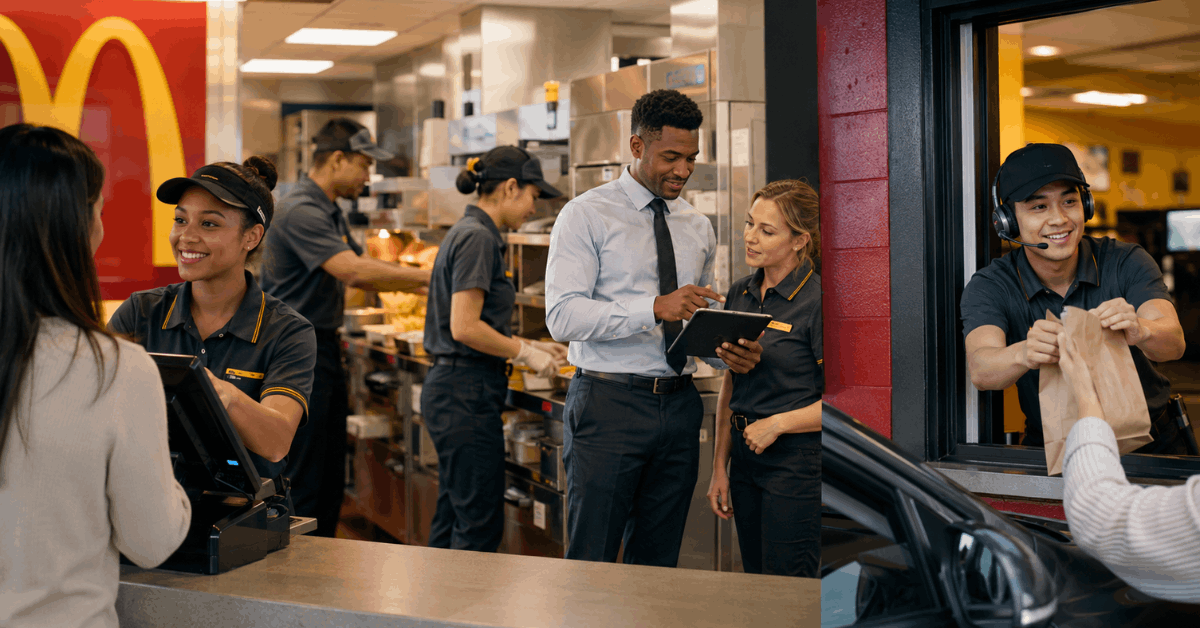
What’s It Like Working at McDonald’s in an English Role?
Once the uniform’s on, the real learning begins. Staff are often surprised by the amount of multitasking and teamwork required. English-speaking employees sometimes become the “go-to” for customer escalations or translation needs.
Team Dynamics
Workplaces can be lively but demanding, with a focus on cooperation. Occasionally, there’s a sense of camaraderie from navigating a rush together—though not everyone is a natural fit, and that’s normal too.
The diversity is real, and so is the sense of purpose that comes from helping colleagues and guests from various backgrounds.
Language Environment
Rarely is English the only language spoken, even if it’s the company’s official working language. Expect some unintentional code-switching or quick switches to another tongue among staff.
It keeps things interesting, if sometimes a little chaotic. I’ve heard mixed stories: some find it energizing, others struggle at first before getting the hang of it.
Advancement and Long-Term Prospects
While many join for short-term experience, some discover a path to longer careers. Internal promotions, especially in regions with an international footprint, tend to favor those fluent in English and with proven reliability.
Education and Skills Building
Training isn’t just for beginners. Ongoing programs cover leadership, hospitality, and food safety. Sometimes certificates are recognized externally, though this can vary by region.
The company tends to support learning, but, of course, results and opportunities are never guaranteed.
Challenges and Things to Keep in Mind
While there’s plenty to gain, every workplace has its challenges. Not all jobs are equally available.
English roles may be limited to certain branches or regions—mainly where there’s tourist demand or expat communities. Some staff mention that schedules can feel unpredictable, especially during holidays.
Legal and Compliance Aspects
Applicants should check requirements around work permits and local labor laws, which may differ depending on the country.
Sometimes, English isn’t enough—certain roles might ask for at least basic local language skills. It’s better to clarify expectations early on. For further guidance, government websites and expat forums can prove helpful.
Frequently Asked Questions About McDonald’s English-Speaking Jobs
- Are there age limits? Most countries set a minimum working age, usually between 16–18. There’s no set upper limit for most entry-level jobs.
- Do I need a specific degree? Usually not. Most entry-level positions focus on personality and availability over formal education.
- Is English always required? Not always, but it tends to be favored in tourist hotspots, airports, and city centers.
- What about pay rates? Wages depend on location and employment laws. It’s a good idea to check local averages before accepting a contract.
Tips for English-Speaking McDonald’s Applicants
- Highlight your English skills.
- Show flexible availability.
- Practice customer service answers.
- Bring work documents ready.
- Stay open to training.
Conclusion
English-speaking McDonald’s roles can be a practical starting point for students, expats, and first-time workers. Opportunities are often stronger in tourist areas, airports, and large international cities.
Good communication, reliability, and a positive attitude can matter more than extensive experience.
Training can also help employees improve workplace English and build customer service skills. Checking local work rules and preparing carefully makes the application process smoother.
