
Working on a cruise ship can offer a rare blend of adventure, income, and personal growth. For travelers and job seekers curious about life at sea, cruise ship jobs present a way to explore different cultures while building a career.
This guide explores the top roles available, essential hiring requirements, and pathways for international applicants aiming to join this vibrant industry.



Why Work on a Cruise Ship? Exploring the Appeal
The appeal of shipboard employment goes well beyond salary. For many, working at sea seems both mysterious and liberating, a break from the routine of land-based jobs.
Crew members often share stories of lasting friendships, rapid skill growth, and the thrill of waking up in a new country every week.
Still, it’s worth acknowledging that it’s not vacation—long hours and close quarters can challenge even the most adventurous. For those open to adapting, it’s an environment full of surprises and rewards.
Best Cruise Ship Jobs: Roles to Consider
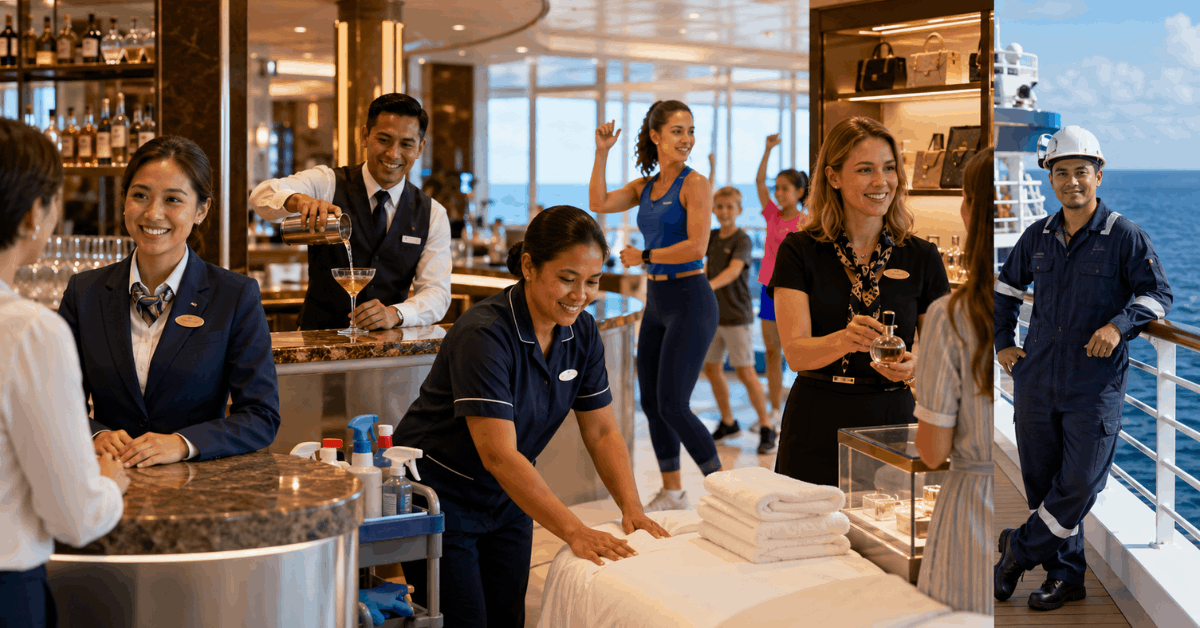
Hospitality and Guest Services
Positions in guest services can include receptionists, concierges, and front desk agents. These jobs usually require solid people skills and fluency in English.
Handling guest requests, resolving minor problems, and ensuring smooth onboard experiences are daily tasks here; sometimes shifts last well into the evening.
Food and Beverage Department
Waiters, barmen, chefs, and kitchen assistants are always in demand. Experience in restaurants or hotels helps, although basic roles are available for those just starting.
The work is fast-paced, requiring adaptability and teamwork during peak service hours. Schedules may rotate frequently.
Housekeeping and Maintenance
For organizational types, cabin stewards, cleaners, and maintenance staff keep ship interiors immaculate.
Attention to detail is crucial. While it might not sound glamorous, many crew say it’s an efficient way to see the world while working predictable hours and earning steady income.
Entertainment and Recreation
Cruise lines offer roles for entertainers, dancers, youth counsellors, and fitness instructors. Prior experience in performance, childcare, or sports instruction is often required.
These positions can be highly competitive—but for those who succeed, every day brings a new audience or fun activity.
Retail and Shops
Onboard shops employ sales associates and store managers for duty-free goods, jewelry, clothing, and souvenirs.
While sales experience is appreciated, excellent customer service skills generally go farther. Ship retail often allows for commission-based earnings.
Technical and Deck Crew
Roles for engineers, electricians, and deck officers require specialist training and maritime licenses. These jobs help maintain critical safety and ship operations. Applicants must usually demonstrate documented sea-time and certifications.
Basic Hiring Requirements: What Cruise Lines Expect
Language Proficiency
Most cruise lines require at least intermediate English proficiency. Additional languages—Spanish, French, German—are sometimes a bonus, especially for guest-facing roles. Occasional language assessments may be part of the application process.
Previous Experience
Relevant experience or vocational training increases chances but isn’t strictly necessary in every department.
For hospitality and cleaning roles, even one year working in hotels or restaurants helps. Technical and entertainment jobs tend to require formal qualifications or portfolios.
Medical and Health Standards
All crew must pass a comprehensive medical exam, usually following STCW (Standards of Training, Certification and Watchkeeping) guidelines.
This includes vision, hearing, and overall physical health. Some cruise lines have very specific standards, so it’s good to confirm before investing in exams.
Age Restrictions
The minimum working age generally is 21, but a handful of onboard roles accept applicants as young as 18. There’s often no official upper age limit for most non-technical positions, but fitness and ability to handle ship life matter.
Background Checks
Security is a priority. Most employers require background investigations and reference checks. Past criminal offenses often disqualify candidates, especially for jobs with guest interaction or cash handling.
Application Process: Step-by-Step

- Research cruise line careers on official company websites (look for a “careers” section under global brands like Royal Caribbean, Carnival, or MSC).
- Review job descriptions and hiring criteria closely, noting contract lengths and salary info where available.
- Prepare a professional resume highlighting relevant experience; short, focused cover letters can help, but are not always requested.
- Apply online where possible. Some companies work through designated recruitment agencies—always confirm legitimacy before submitting documents.
- If shortlisted, candidates may be invited for phone or video interviews. Sometimes, group interviews or language assessments are next.
- Upon receiving an offer, review contracts carefully for pay, accommodations, duration, and conditions. Only sign when satisfied.
Key Qualifications and Training for Cruise Ship Jobs
STCW Basic Safety Training
This certification covers firefighting, first aid, personal survival, and safety procedures. Candidates typically complete it before joining; training providers are available in most major port cities around the world.
Specialist Certificates
Technical crew and officers need maritime degrees or merchant marine licenses. Entertainers might require audition tapes or references. Hospitality staff sometimes benefit from food safety or barista training certificates, too.
Tips for Successful Applications
- Keep CVs clearly formatted and specific to the desired department.
- Highlight multilingualism or cross-cultural skills, especially for guest-facing positions.
- Gather references from previous hospitality, retail, or service jobs; many cruise lines ask for them.
- Avoid applying via unknown agencies not linked on official cruise brand websites.
- Prepare for contract work: cruise jobs run from three to nine months at a time, with contracts renewable based on performance.
Legal and Tax Considerations for International Crew
Visas and Work Permits
Crew need valid passports and the required visas. Countries like the US may request a C1/D visa for transit purposes. The ship’s operator typically advises on needed paperwork, but personal verification is smart.
Tax Status
Income tax obligations vary by nationality and cruise line registration. Often, salaries are tax-free at source, but home country rules still apply and could impact take-home pay. Some crew report confusion here, so consulting a tax adviser or specialist website might be helpful.
Employer Responsibility
Legitimate cruise lines cover basic crew insurance and emergency medical care while at sea. Some also provide flights to and from the embarkation port, but it’s not universal—so reviewing the employment contract is essential before accepting an offer.
Career Growth and Perks at Sea
Many cruise workers start in entry-level jobs and move up to supervisory or managerial roles within a few years. Large lines often promote from within and encourage professional growth.
Free travel—albeit limited during working hours—plus included meals and accommodations, are common perks.
For families and those who enjoy autonomy, these may balance out the long stints away from home. Of course, it’s not easy for everyone, but ship life can be rewarding for open-minded candidates.
Tips for Successful Cruise Ship Applications
- Tailor your CV to the role.
- Highlight service and language skills.
- Keep safety certificates current.
- Use official hiring channels.
- Read contracts before signing.
Conclusion
Cruise ship work can combine career growth, travel, and practical savings. The best role depends on your experience, qualifications, and comfort with life at sea.
A clear application should show reliability, relevant skills, and flexibility in a multicultural workplace.
Review the contract, visa needs, and work conditions before accepting any offer. With realistic expectations and proper preparation, a cruise ship job can be a valuable international career step.
