
Food costs keep rising, and for many families in the United States, assistance like SNAP (Supplemental Nutrition Assistance Program) can make all the difference. But who can actually access these benefits in 2026?
This article addresses key questions about SNAP eligibility, showing updates for income requirements and the rules that matter most. Perfect for anyone curious about support options in the coming year.
Understanding the SNAP Program in 2026
SNAP, often called food stamps, is the biggest federal food assistance program in the USA. Its mission is to ensure low-income households can buy nutritious groceries.
Rules and requirements get reviewed almost every year, so what counts for eligibility in 2026 may differ from previous seasons. For individuals, families, or caretakers, understanding these changes is essential.
Basic SNAP Eligibility Criteria
Before any discussion about income limits or paperwork, SNAP has basic rules that set the foundation. Some are obvious, but a few are easy to overlook.
Generally, applicants should live in the state where they apply and meet certain income and resource tests. Most U.S. citizens and some legal residents qualify if other requirements are met.
Special exemptions may exist, but citizenship status and residency come first for everyone.
Categorizing Household Types
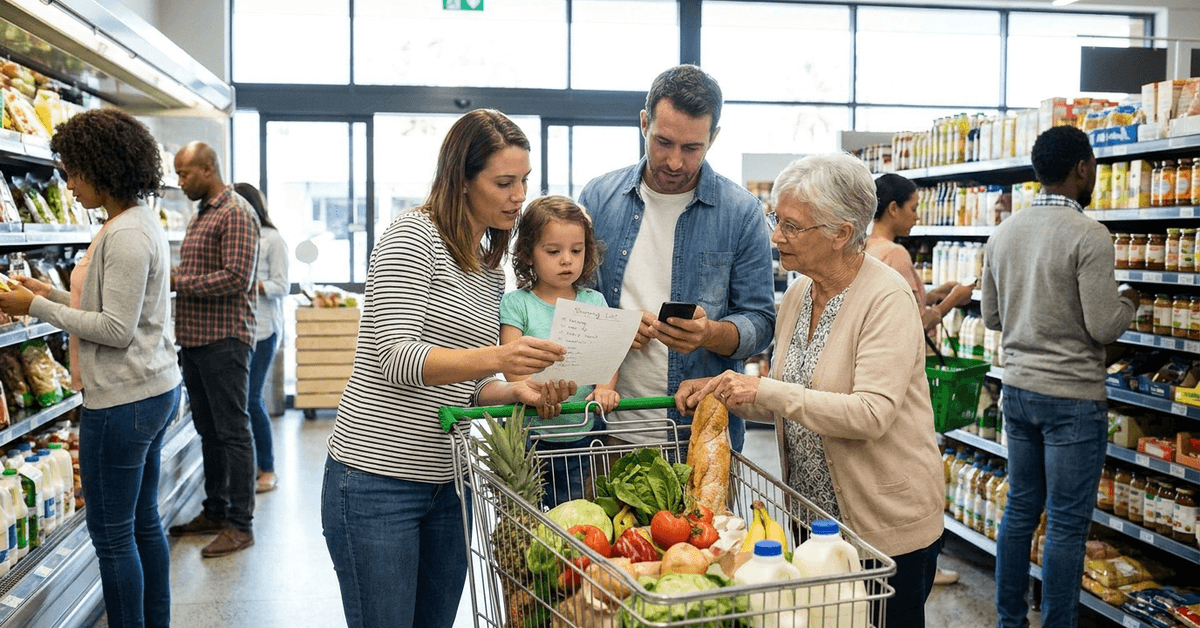
Households in SNAP terms aren’t just families. For SNAP purposes, a household can mean anyone who lives together and purchases food together. This includes roommates, multigenerational families, or unmarried partners.
Why mention this? Because the size and makeup of a ‘household’ directly affects income limits and documentation requirements. Sometimes, the structure can make eligibility uncertain, especially with blended or nontraditional arrangements.
Citizenship and Residency Status
Eligible households include U.S. citizens and specific lawfully present immigrants, such as green card holders and certain refugees.
Non-citizen eligibility can be complex, especially with new federal policies. It’s important to check with local agencies for updates—some people may qualify even if they wouldn’t have in past years.
2026 SNAP Income Limits: What to Expect
One of the most critical factors for SNAP qualification is the household income limit . These limits are updated to reflect federal cost-of-living adjustments.
For 2026, the federal government anticipates a moderate increase to keep pace with economic shifts, but not all numbers are final until closer to the new year.
Gross vs. Net Income Requirements
SNAP requires both gross and net income tests for most households. Gross income means total income before taxes and deductions. Net income is what remains after allowed deductions (like housing and child care costs) are subtracted.
If a household includes an elderly person or someone with a qualifying disability, only the net income test may apply. For most applicants, passing both tests matters.
2026 Projected Income Limits by Household Size
While final numbers for 2026 may be released later, estimates are available based on recent trends. Here is a breakdown of likely gross monthly income limits by household size, using current federal projections (rounded estimates):
| Household Size | Gross Monthly Income Limit | Net Monthly Income Limit |
|---|---|---|
| 1 | $1,580 | $1,210 |
| 2 | $2,137 | $1,642 |
| 3 | $2,694 | $2,072 |
| 4 | $3,250 | $2,500 |
| 5 | $3,807 | $2,929 |
| Each additional | + $557 | + $429 |
These limits serve as an estimate and could change. For exact numbers and annual updates, check USDA’s official SNAP eligibility page.
Countable Resources and Assets
Households must also meet resource tests, though some assets are excluded. Most applicants need countable resources (like cash, bank accounts, and investments) under a certain dollar amount—expected to be near $2,750 for 2026.
For households with an elderly or disabled member, that limit rises to $4,250. Retirement accounts and principal residence don’t count, so those are excluded from calculations. Resource rules remain a sticking point for many, as even a small inheritance can affect eligibility unexpectedly.
Who Is Automatically Eligible (Categorical Eligibility)
Certain groups may qualify automatically (or nearly so) for SNAP in 2026, thanks to participation in other safety net programs.
This process, called categorical eligibility, ties into benefits like Supplemental Security Income (SSI), Temporary Assistance for Needy Families (TANF), or certain General Assistance programs.
If someone in the household receives these, SNAP requirements can be simpler. That said, detailed paperwork may still be requested for verification.
Participation in Other Benefit Programs
Families already approved for SSI or TANF in 2026 generally gain easier access to SNAP, provided all other basic requirements are met.
This linkage helps streamline paperwork and, in practice, can expand food security among the most vulnerable Americans.
Special Cases: Seniors, Students, and the Homeless
Some populations receive special consideration within SNAP rules.
For instance, seniors over 60 or the disabled have higher resource limits and may qualify with just net income below the cap.
Students attending college at least half-time have stricter requirements, but exceptions exist if they work enough hours or care for dependents.
People experiencing homelessness are also eligible and have the same standard rights to SNAP as other applicants.
Additional SNAP Eligibility Factors for 2026
Income and citizenship are critical, but other criteria play a role. These can shape eligibility—sometimes in unpredictable ways.
For example, work requirements are expanding in many states, and certain criminal convictions may result in ineligibility for some time.
Work Requirements and ABAWD Rules
Able-bodied adults aged 18 to 52 without dependents (often called ABAWDs) must meet specific work, training, or school participation standards.
In 2026, many states are tightening these standards, requiring up to 80 monthly hours of work or job training to retain SNAP benefits. There are waivers and exceptions, but compliance matters for continued assistance.
Sanctions and Disqualifications
Fraud, intentional misstatements, or breaking program rules can result in temporary disqualification—sometimes for months at a time.
Repeat violations carry longer or even permanent bans, emphasizing the need for honest reporting at every stage.
How to Apply for SNAP in 2026
Potential applicants in 2026 are encouraged to apply through their state’s online portal, by mail, or in person.
The process generally involves sharing income, resource, and household verification documents. Many states offer quick prescreening tools to help estimate eligibility prior to filing a full application.
Staying up-to-date is essential, since rule changes or local differences may affect what paperwork gets required.
To start a SNAP application or review requirements, it’s best to visit the USDA’s SNAP Apply page, the authoritative and secure government resource. This site links to each state’s individual application process.
Navigating SNAP in 2026 and Beyond
The landscape of food assistance is evolving, shaped by shifts in policy, costs, and even public attitudes. Sometimes the rules seem frustrating, especially when minor details determine access to food support.
Yet, SNAP remains a crucial resource for millions—helping working families, seniors, new immigrants, and those weathering difficult times. Keeping up with the latest changes, especially regarding income guidelines and special rules, can enable more households to find relief.
For anyone unsure about their future with SNAP—or simply trying to help a loved one—it’s worth rechecking the official channels, gathering documents, and, perhaps most of all, not giving up.
Food should be accessible, and the path is there for those who persist. To get started, review the official SNAP application portal for all the latest details, forms, and next steps.
