


Relocating to the Netherlands as an expat brings a lot of excitement, but also a few challenges – especially when it comes to personal finance. Finding the right credit card can make a surprisingly big difference.
Whether someone is setting up in Amsterdam, Rotterdam, or a smaller city, credit and payment preferences can feel pretty different here.
For expats searching for the best credit cards in the Netherlands, this guide is designed to explain the main options, their features, and the practical realities.
The aim is to make daily life—paying for groceries, booking travel, or managing monthly bills—a little bit smoother.
Why Credit Cards Matter for Expats in the Netherlands
In the Netherlands, debit cards are widely used. However, credit cards remain important for expats who need flexibility, extra security, and convenience, especially when booking flights or making online purchases.
Many Dutch shops prefer Maestro or V PAY debit cards, but international sites, hotels, and rentals frequently ask for credit cards.
This mix can be confusing at first, and – perhaps surprisingly – not every bank offers easy access to international options without a Dutch credit history.
Types of Credit Cards Available for Expats
International Bank-Issued Cards
Some expats arrive with cards from their home countries—Visa, Mastercard, or American Express—which often work at larger stores, hotels, and airports.
Acceptance is improving, but there are still places where only locally issued options are accepted. Sometimes, keeping a home-country card on hand might be wise, just in case.
Dutch Bank Credit Cards
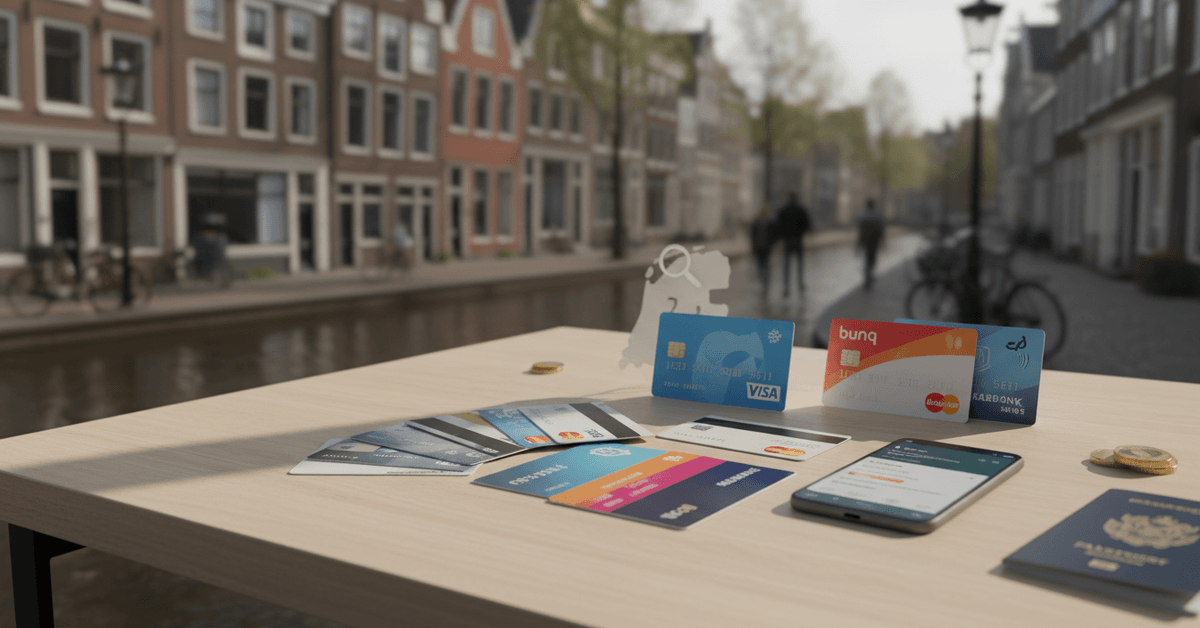
Dutch banks like ING, ABN AMRO, and Rabobank provide credit cards linked to local bank accounts.
These are usually Visa or Mastercard. Application may require a Dutch address, proof of income, or a BSN (citizen service number).
Approval can feel strict if someone is new to the country, but for those planning to stay a while, it’s generally manageable once a current account is set up.
Prepaid & Fintech Cards
Digital-first providers like bunq, Revolut, and Wise (formerly TransferWise) offer prepaid debit and credit cards usable internationally.
These compete well with traditional banks—especially for those who might not yet qualify for full credit products, or just want a simple option without a lot of requirements.
Top Credit Card Providers for Expats
ING Credit Card
ING is one of the largest Dutch banks, and its basic ING Credit Card is widely accepted.
Cardholders receive standard protections such as chargebacks, and the application process is straightforward for those with an ING current account.
However, non-residents or those without a track record in the Netherlands might face extra questions or need to supply more documents.
ABN AMRO Credit Card
ABN AMRO offers both Visa and Mastercard credit cards. Multinational and traditionally expat-friendly, this bank tends to be recommended in many online forums and guides.
Card features include contactless payments and optional travel insurance packages. Some expats find the customer service quite responsive, especially in English.
Rabobank Credit Card
Rabobank’s credit cards (mostly Mastercard) also come with handy extras like purchase protection and travel insurance.
As with other Dutch banks, proof of stable income or employment is often required. Application processes are usually in Dutch, but most banks provide English support if requested.
Bunq Credit Card
Bunq, a digital challenger bank, offers the bunq Credit Mastercard. It’s easy to apply from abroad, and its acceptance is quite broad across Europe.
Some expats comment that the app feels modern and intuitive, but there might be extra fees for international withdrawals. The onboarding is digital and generally quick, lowering entry barriers for newcomers.
Revolut
Revolut’s cards function as prepaid debit or credit cards with competitive exchange rates and multi-currency support.
The application is done entirely online, requiring only basic personal details and KYC checks. It can be a good choice for those who spend or transfer money globally.
American Express Netherlands
American Express remains an option for expats wanting premium benefits or travel rewards.
Acceptance in Dutch stores can be patchy—Amex is less present than Visa or Mastercard—yet benefits like purchase insurance and lounge access could appeal to frequent travelers.
What to Consider When Choosing a Credit Card as an Expat
Acceptance and Usability
Visa and Mastercard are widely accepted, but some local stores, especially outside urban areas, accept only Maestro or Dutch-issued cards.
Before applying, it’s wise to double-check what’s generally accepted at places you’ll use most—supermarkets, public transport, restaurants, and online shops.
Application Requirements
Many expat-focused credit cards need a Dutch bank account linked to your name and address.
Others, particularly digital banks, might only ask for a passport and residency proof. Proof of employment or income is typical, though certain providers (bunq, Revolut) are more relaxed about requirements.
Credit Limits and Fees
Some expats find Dutch credit card limits quite low compared to other countries. Standard limits may start from €1,000–€2,500 per month, rising with consistent usage.
Annual fees vary but often range from €18–€40 for standard cards. It’s important to check for extra fees on foreign transactions, ATM use, and late payments—these costs add up over time.
Rewards and Perks
While not as generous as in the US or UK, some Dutch credit cards include reward points programs, cashback, or travel insurance. Evaluating these extras helps in selecting a card that suits your own spending habits.
For those rarely traveling or using the card for large purchases, perks may be less relevant than reliability and low fees.
Customer Service and Language Support
English-speaking customer support is now quite common, especially with bigger banks and fintech brands.
However, some documents or processes might be in Dutch at first; persistence and patience are key. Reading a few online reviews or asking for help in expat forums can make this process easier.
Comparing Credit Card Features at a Glance
| Provider | Card Type | Annual Fee | English Support | Travel Perks |
|---|---|---|---|---|
| ING | Visa/Mastercard | €18–€24 | Yes (partial) | Optional |
| ABN AMRO | Visa/Mastercard | €20–€35 | Yes | Optional |
| Rabobank | Mastercard | €24–€40 | Yes | Yes |
| bunq | Mastercard (credit) | From €35 | Yes | No |
| Revolut | Prepaid | Free–€15/month | Yes | Limited |
| American Express | Credit | From €36 | Yes | Yes |
Tips for Responsible Credit Card Use as an Expat
- Monitor statements closely. Sometimes international card fraud goes unnoticed until it’s too late.
- Direct debit makes it easier to pay bills on time in the Dutch banking system.
- If offered, enroll in SMS or email alerts—most banks provide free notification of transactions and bills.
- For large purchases or travel, check what insurance or protection applies to your card. Some providers require registration before a trip.
- Using your card regularly (without maxing out the limit) may help build local creditworthiness—if you plan to stay long-term, this can be important for renting or other loans.
- Keep emergency backup payment methods, especially if using only a credit card in rural areas or outside urban centers.
Legal and Tax Implications for Expats
Credit Checks and Your Dutch Credit Report
Most banks check credit reports using the Bureau Krediet Registratie (BKR) when processing card applications.
Expats arriving without a Dutch financial footprint may find this frustrating. The good news is that responsible card use can begin to build a positive history over time. Occasionally, a provider might waive these checks for lower-limit or prepaid cards.
Tax Reporting Obligations
Credit card spending itself isn’t taxable, but any interest earned, cashback, or points converted to cash must be reported as income if required by Dutch law.
Residency status can affect what needs to be declared, so it is worth confirming rules with a tax advisor or on the Dutch tax authority website (Belastingdienst).
Alternative Payment Methods Worth Knowing
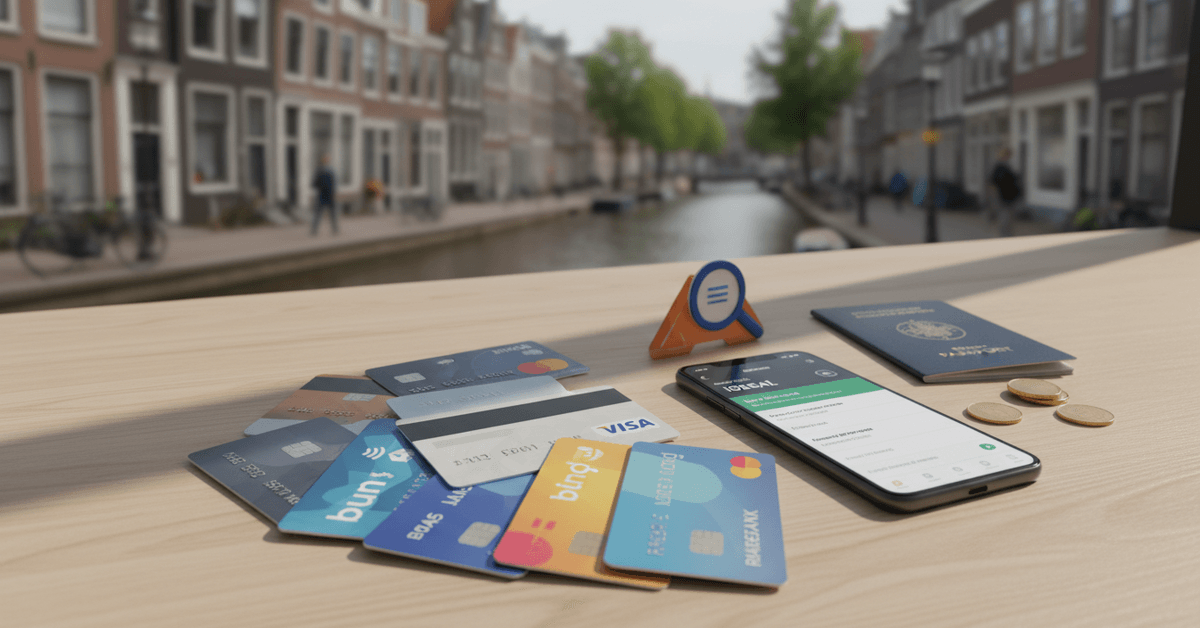
Although credit cards are useful, most daily expenses in the Netherlands will involve debit cards or mobile payment apps such as iDEAL.
For expats paying rent, utilities, or even buying train tickets, it’s often quicker (and cheaper) to use these local systems. There’s no harm in having multiple payment methods to cover all situations.
Conclusion
Best credit cards for expats in the Netherlands offer exceptional everyday spending convenience, genuine expat-friendly features, authentic international support, comprehensive global acceptance, proven reliable financial solutions, and excellent assistance.
Apply for your Netherlands expat credit card today with complete confidence, knowing your thorough preparation and clear understanding will help you effectively integrate practical card choices into daily life.