


Hiring moves fast in quick-service restaurants, and you can miss good shifts if you wait too long. If you want to know how to apply for job openings at Burger King, you need a plan that fits the real online screening.
You will see different roles, different expectations, and different hiring speeds by location. This article breaks down requirements, benefits, and the online application process.
You will also learn practical tips that reduce mistakes and improve callback odds. Use the steps here as your checklist before you submit.
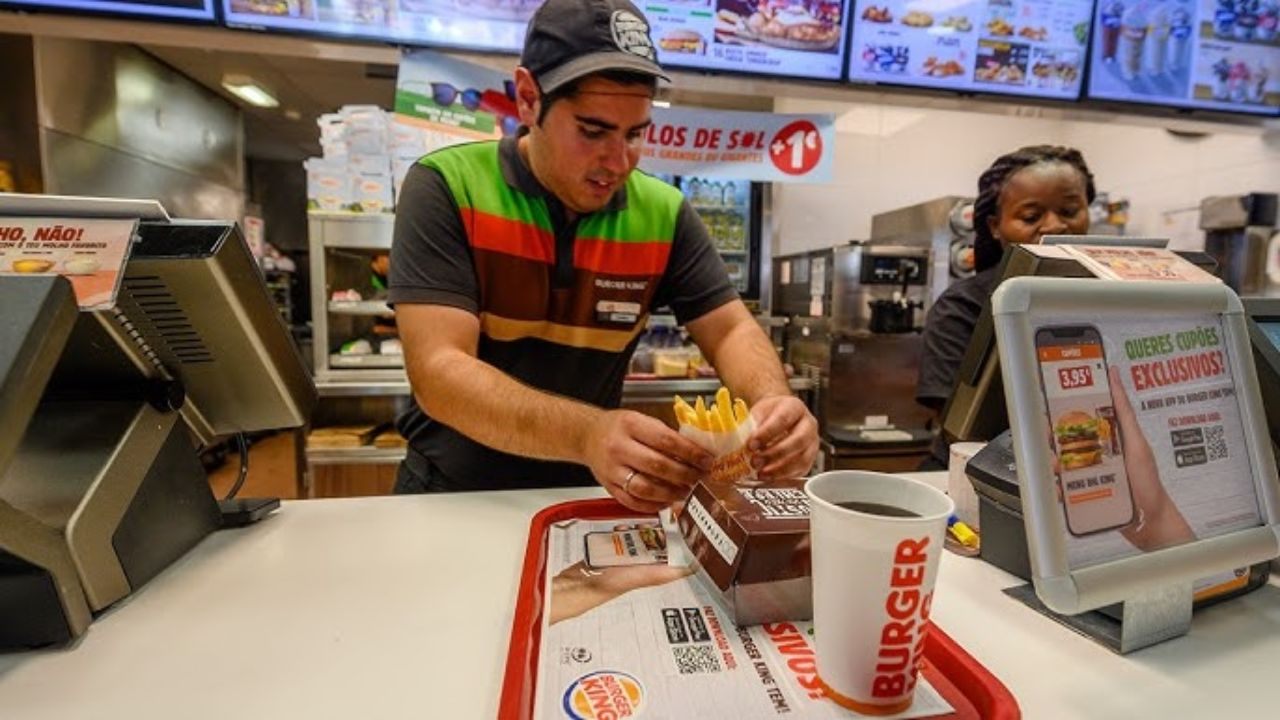
What Jobs At Burger King Usually Require, Role By Role
Burger King jobs look similar on paper, but roles are screened differently online. Some postings prioritize availability, while others prioritize experience or reliability signals.
You should start by matching your skills to the role, not by applying randomly. Role fit improves your chances because your application reads more consistently.
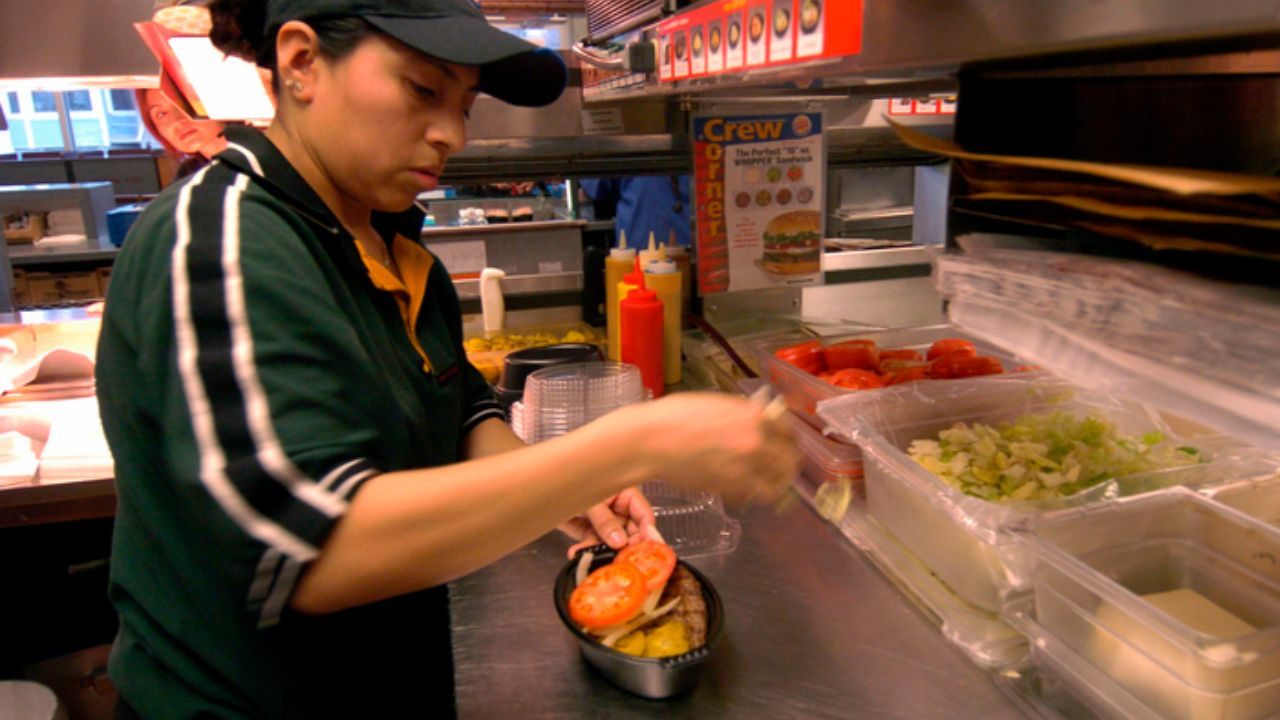
This section explains common jobs and what hiring managers usually want. Use it to apply to a clear target.
Team Member And Crew Roles: What Hiring Managers Look For
Crew and team member roles usually focus on speed, teamwork, and customer service basics. You can get hired without experience if your application shows consistent availability.
Hiring managers often look for reliable attendance signals like stable contact details and a realistic start date.
You should highlight comfort with standing, cleaning, and fast-paced tasks. Most locations value weekend coverage. If you can work evenings, you should say it clearly.
Cook And Kitchen Focus Roles, Speed And Safety Signals
Kitchen roles focus on food safety, timing, and staying calm during rush periods. Your application should show you can follow procedures and handle repetitive tasks.
Managers look for attention to safety details because mistakes cost time and can trigger complaints.
If you have any kitchen, warehouse, or production experience, include it. You should also mention comfort with heat, noise, and standing. If you have a food handling certificate, add it.
Shift Lead And Supervisor Track: What Changes In Expectations
Shift lead and supervisor postings usually ask for experience and stronger communication skills. You may be responsible for cash handling, training, and short-staff problem-solving.
Your application should show leadership in simple terms, like coaching, scheduling, or closing tasks. If you helped onboard new coworkers, say it directly.
Managers also check availability because keyholder roles need coverage. If you can work closing shifts, that matters.
Restaurant Management Path: Why Experience Proof Matters
Management roles are screened harder because turnover is costly at this level. Your resume should include measurable responsibility, not only job titles.
You should show results you can explain, like improving speed, reducing errors, or training teams. Applications that list duties without outcomes often get filtered out.
Be prepared to share time frames, staffing size, and daily volume experience. If you have multi-unit exposure, include it. If not, keep claims modest and clear.
Benefits And Work Conditions, What To Expect And What To Confirm
Benefits are real, but they vary because many Burger King locations are franchise-operated.
You should read each posting carefully and confirm details during the interview. The best approach is to separate what is typical from what is guaranteed.
Your location controls the package more than the brand name. This section explains common benefits, scheduling reality, and what you should verify. Use it to avoid misunderstandings after you start.
Pay Structure, Hours, And Scheduling Reality
Pay depends on role, experience, and local labor conditions. Many roles offer part-time hours first, with more hours based on performance and staffing needs. Your schedule may change week to week, so you should set boundaries early.
Availability is your leverage because managers build schedules around coverage gaps. If you need consistent days, communicate it clearly. If you can work peak hours, you often get priority. Ask how schedules are posted and how shift swaps work.
Common Perks, Meals, Discounts, And Growth Opportunities
Many locations offer meal discounts, training, and pathways to higher roles. Some locations offer tuition support, paid training, or performance incentives, but you must confirm locally.
You should evaluate practical perks you will use instead of assuming every benefit applies. Training matters because it reduces stress in your first weeks.
Ask how long training lasts and who coaches you. If you want growth, ask what promotion timelines look like. Clear expectations help you stay motivated.
Training, Cross Training, And Promotion Patterns
Training usually starts with basics like POS use, food assembly, cleaning standards, and customer handling. Cross-training can increase your hours because you can cover more stations.
Managers often promote people who show consistent speed and accuracy rather than people who only say they want leadership. If you want advancement, show it through performance and reliability.
Ask whether you will train on multiple stations. Also, ask how performance is measured. Knowing the system helps you improve faster.
The Franchise Factor: Why Two Burger Kings Can Hire Differently
Franchise ownership changes pay bands, benefits, and hiring timelines. One location may respond in a day, while another takes a week to review applicants. Your best move is to treat each store as its own employer while keeping your profile consistent.
Do not assume uniform policies across cities or even nearby neighborhoods. Confirm who employs you, what the probation period is, and how payroll works.
Ask how to contact the hiring manager after applying. This reduces confusion when you follow up.
How To Apply For Job Openings At Burger King With A Strong Match Score
Online applications are often filtered before a manager reads them. You should aim to be accurate, consistent, and aligned with the role’s needs.
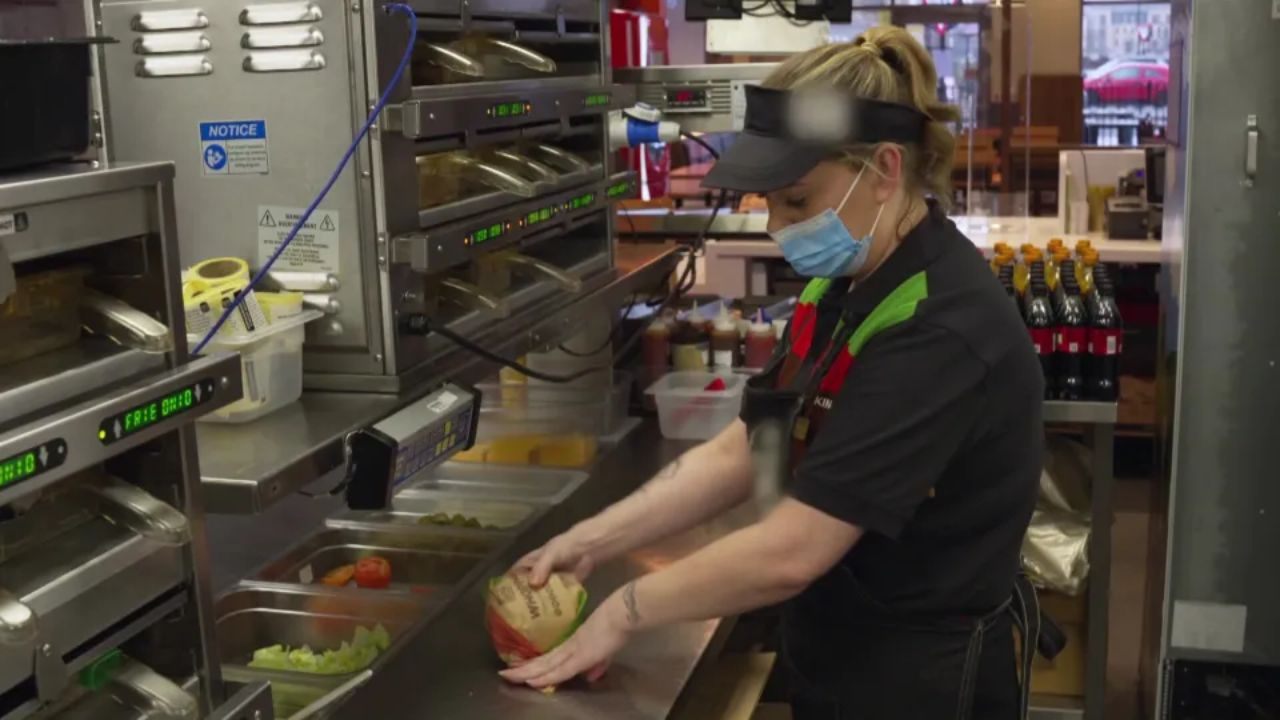
This is not about gaming the system; it is about reducing red flags. Small errors can stall you because managers move on to cleaner applications.
This section explains how to find the right posting, complete the form, and follow up correctly. Use it as a step-by-step process.
Finding The Right Posting, Location, Shift, And Role Fit
Start by selecting roles that match your availability and transportation reality. Choose a location you can reach reliably, including late shifts and weekends. Apply to roles where your experience aligns, even if it is informal.
A clear fit beats a broad spam approach that looks unfocused. Read the posting for shift language like mornings, nights, or closing. Confirm whether it is part-time or full-time. Then apply only when you can accept the stated schedule.
Building A Clean Application, Accuracy And Consistency Rules
Enter your name, address, and dates exactly as they appear on your documents. Use a professional email and a phone number that can receive calls.
If the form asks for work history, do not leave gaps unexplained. Consistency builds trust because it reduces the need for later verification.
Keep your job titles and dates consistent with your resume. If you have limited experience, focus on responsibilities and reliability. Review every page before submitting.
Simple Resume Tailoring, Keywords Without Overdoing It
You do not need a complex resume, but you do need relevance. Add role language like customer service, cashiering, food prep, cleaning, and teamwork if it is true. Avoid copying the posting word-for-word, because it can sound fake.
Match the role with honest details from school, volunteering, or prior jobs. Include schedule flexibility and willingness to learn. Keep your resume to one page if possible. Save it as a clean PDF with your name.
Post Apply Follow Up, When To Call And When To Wait
After you submit, save confirmation screenshots or emails so you can reference them. Wait a reasonable window, often two to three business days, before calling.
When you call, keep it short and ask if the manager can see your application. Follow-up shows seriousness when done calmly and briefly.
Do not call repeatedly in one day. If you applied to multiple locations, track each one separately. If you get an interview request, respond quickly and confirm the time.
Tips To Stand Out Without Overpromising
Most applicants fail because of avoidable mistakes, not because they lack talent. You can stand out by being prepared, honest, and easy to schedule.
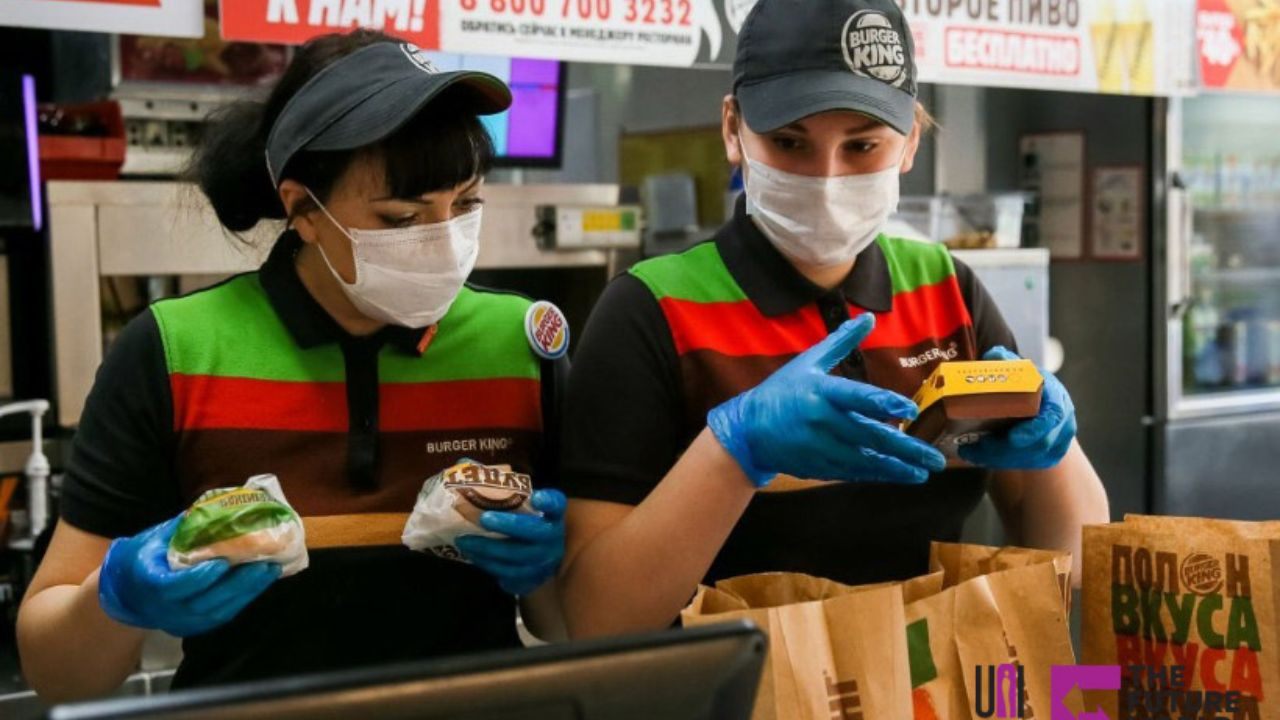
Managers want people who show up, learn quickly, and handle pressure respectfully. Reliability is the real advantage in fast-paced hiring.
This section covers interview answers, what to bring, and how to avoid red flags. Use it to present yourself as ready from day one.
Answers That Work For Availability And Teamwork Questions
You should expect questions about availability, conflict handling, and teamwork. Prepare simple examples that show you can follow instructions and stay calm. When asked about weekends, answer clearly and do not overpromise.
Clear availability wins schedules because managers need dependable coverage. If you have school commitments, state them and offer alternatives.
For teamwork, describe how you communicate and ask for help. Keep your answers short but complete.
Interview Scenarios, Handling Rush, Mistakes, And Customers
Interviewers may ask how you handle rush periods or unhappy customers. Your best answer is to stay focused on speed, accuracy, and respectful tone.
Explain that you follow procedures, ask for guidance, and fix mistakes quickly. Owning mistakes builds trust because managers know errors happen in busy shifts. Mention that you keep your station clean and organized.
If you have customer service experience, use one example with a positive outcome. Show that you stay calm under pressure.
What To Bring To An Interview Or Open Hiring Event
Bring identification, any work eligibility documents required in your country, and a simple printed resume.
Dress clean and practical, not flashy. Arrive early so you can fill out forms without stress. First impressions start before questions because managers notice punctuality and attitude.
Bring a pen and be ready to write down the next steps. If you have references, list their names and numbers. Keep your phone on silent during the interview.
First Week Checklist, What Managers Expect From New Hires
Your first week is about learning systems, not proving perfection. Show up early, ask questions, and follow the training plan.
Learn the basics of food safety, POS flow, and cleaning standards. Consistency beats intensity because managers trust steady performance.
Avoid calling out unless necessary and communicate issues early. Write down key steps so you remember them during rush hours. If you want more hours, ask after you show reliable attendance.
Conclusion
Online hiring is competitive, but clear preparation still separates you from most applicants. If you follow the steps for how to apply for job openings at Burger King, you reduce errors that block callbacks.
Start by choosing a role that matches your availability and skills. Then submit a clean application, attach a relevant resume, and track each location you apply to. With consistent effort, you can move from application to first shift faster.